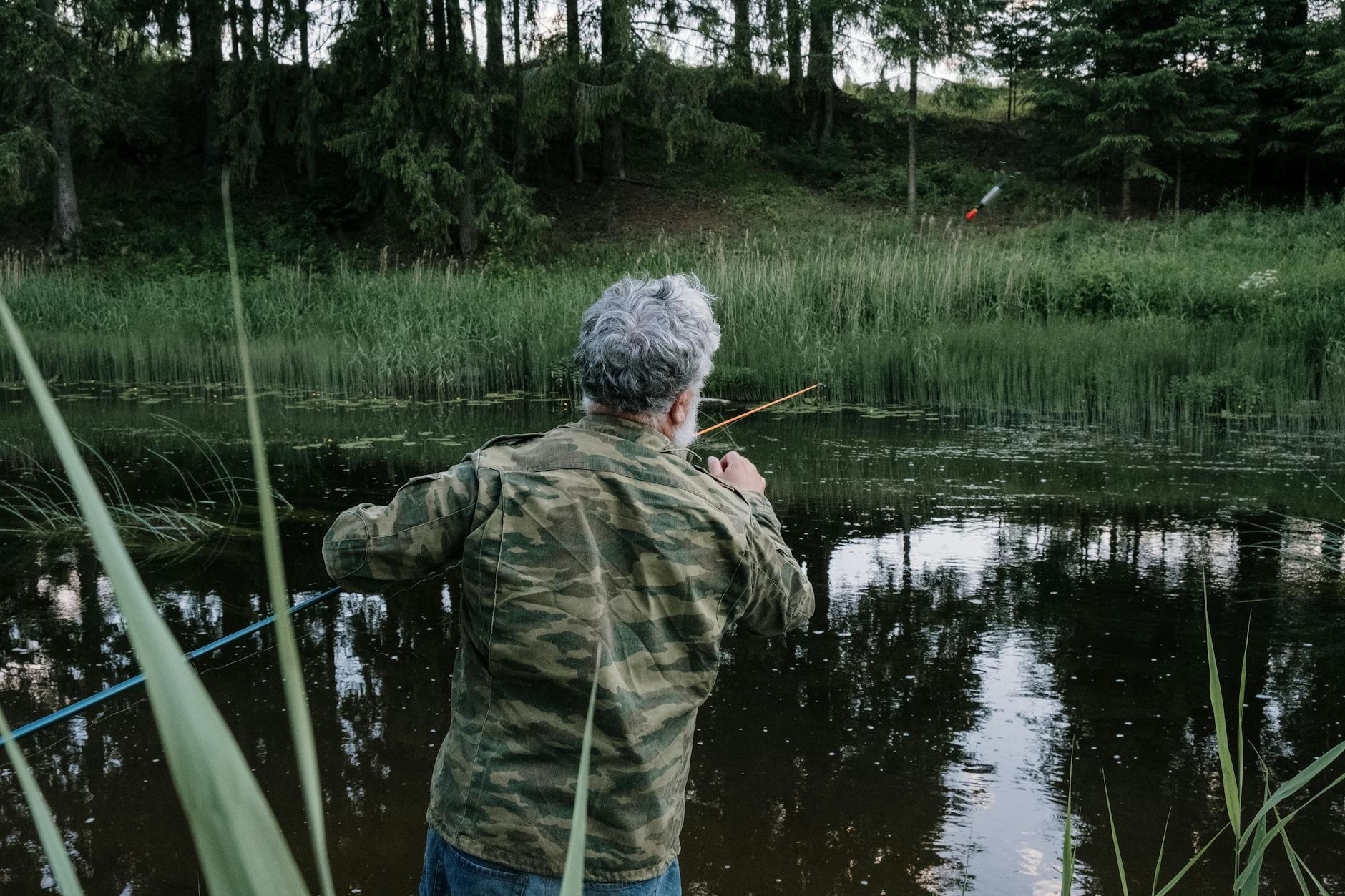
Master Stillwater Float Fishing
Proven float setups and day-session strategies for Czech ponds and reservoirs
What We Cover
A journal dedicated to float fishing fundamentals
Stillwater float fishing demands precision, preparation, and an understanding of water conditions. Whether you're exploring our fishing club network, visiting a local fishing shop, or preparing for ice fishing season, this journal guides you through every essential element. We focus on float rig design, swim selection methodology, weather adaptation, and the tactical adjustments that separate successful sessions from wasted days.
Our audience: day-session anglers in Czechia who take their craft seriously. You'll find detailed guidance on waggler rigs, insert floats, and pole float applications—plus practical advice on bait presentation, shot pattern optimization, and hook length selection. Whether you're a fishing club member seeking to refine your technique or visiting a fishing shop for tackle consultation, you'll discover actionable knowledge built on real-world experience.
From ice fishing techniques to summer reservoir tactics, we cover the full seasonal spectrum. Learn how to read conditions, select productive swims, and adapt your approach as light, temperature, and feeding patterns shift throughout the day. This is stillwater fishing stripped to its essentials: observation, preparation, and execution.
Float Rig Building
Essential setups for different water conditions and target species
Waggler Rigs
The waggler float excels in open water and moderate depths. Designed for casting distance and stability, waggler rigs use a single bottom-end contact point. Learn shot pattern distribution, antenna selection, and why waggler fishing dominates in fishing club competitions and commercial fisheries across Czechia.
Insert Float Rigs
Insert floats offer sensitivity and precision in shallow, clear water. The insert stem sits inside the float body, reducing water resistance and improving bite detection. Ideal for ice fishing preparation and early-season work when fish are cautious and feeding patterns are subtle.
Pole Float Rigs
Pole floats deliver unmatched control in tight swims and dense features. Whether fishing a fishing shop's recommended setup or refining your own design, pole rigs excel at short-range accuracy. Master the balance between float capacity, antenna visibility, and shot distribution for consistent presentations.
Component Selection
Every rig begins with informed choices: float buoyancy matched to water depth and wind, shot patterns that maintain depth control, and hook lengths tailored to species and bait size. Visit a fishing shop to compare materials, or reference our detailed breakdowns of shot spacing, hook-to-float ratios, and line weights.
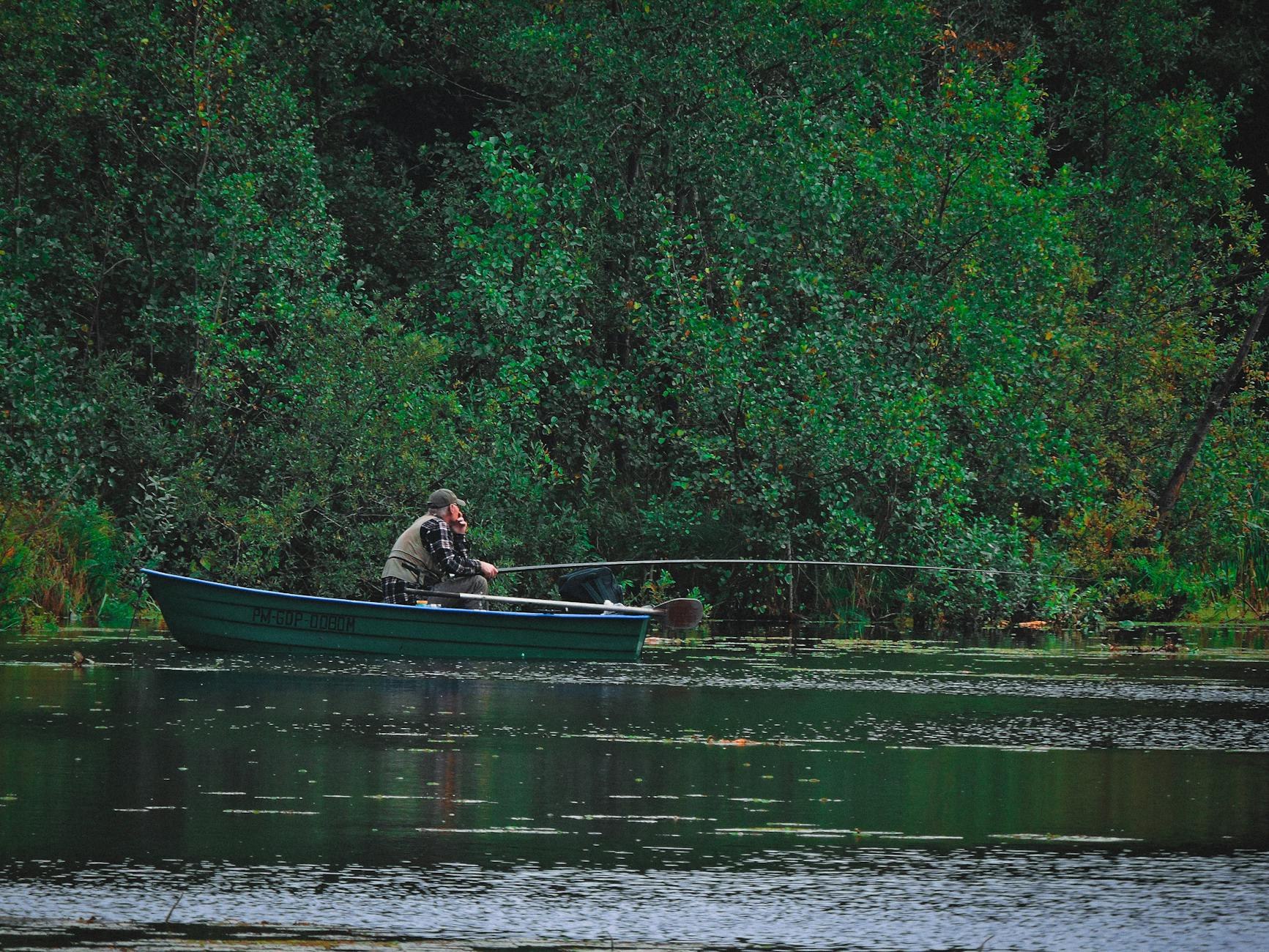
Day-Session Preparation
Planning, packing, and swim selection strategies
Pre-Session Checklist
- Bait selection: maggots, casters, hemp, or specialist mixes matched to target species
- Tackle inventory: rods, reels, floats, shot, hooks, and spare rigs for each rig type
- Keepnet and weigh sling for accurate session records
- Seat box, rod rests, and weatherproof storage for extended sessions
- Weather forecast review: wind direction, temperature, and precipitation timing
- Reconnaissance notes: previous swim productivity, depth changes, and feature locations
- Hydration and nutrition for sustained focus and energy
- Backup tackle: extra floats, hook lengths, and shot for mid-session adjustments
Swim Selection Methodology
Productive swims aren't random. Scout your fishing club water or new venue in advance. Look for depth changes, weed beds, overhanging trees, and areas where baitfish congregate. In ice fishing season, identify deeper holes and sheltered bays. Use a depth finder or plumb the swim systematically to build a mental map of the bottom contour.
Weather forecasting shapes session timing. Early morning and late evening often produce better results, especially during warmer months. Cold fronts and stable barometric pressure favor feeding activity. Plan your fishing shop visit to gather current conditions intelligence and match your rig selection to the forecast.
Adapting Through the Session
Reading conditions and adjusting your approach as the day unfolds
A successful session isn't static. Real-time observation and tactical flexibility separate productive anglers from those who stick rigidly to a single approach. Whether you're fishing a fishing club event or pursuing personal bests, learn to read the water and adjust your rig, bait, and feeding strategy as conditions evolve.
Bait Presentation
Vary your presentation: single maggot for finesse, caster for selectivity, or mixed baits for attraction. Adjust cast distance and frequency based on response. In ice fishing conditions, slower presentations often outperform aggressive casting. Monitor your fishing club's competition rules and adapt within those constraints.
Feeding Patterns
Fish feed in cycles. Early morning often sees aggressive feeding; midday may require patience and subtle adjustments. Use a fishing shop's recommended feeding schedule as a baseline, then refine based on your observations. Introduce bait at intervals that match the fish's feeding rhythm, not your impatience.
Light & Conditions
Changing light affects fish behavior and visibility. Overcast conditions often produce steadier feeding than bright sun. Wind direction influences oxygen levels and baitfish distribution. Adjust your float choice and shot pattern as light intensity shifts—a teal-tipped antenna works in low light; black or orange excels in bright conditions.
Troubleshooting Common Challenges
No bites? Check your depth: plumb accurately and adjust your rig to fish the productive zone. Missed bites suggest a dull hook or slack line—sharpen or tighten immediately. Slow action mid-session may indicate a barometric change or feeding pause; shift to a different swim or adjust your bait size. Visit a fishing shop for fresh tackle if you suspect gear fatigue. In ice fishing or cold-water conditions, slow your retrieve and reduce casting frequency; fish metabolize slowly and respond to patience, not aggression.
Get in Touch
Share your experience or ask about our content
Have questions about float rig setup, session preparation, or tactics? Want to share your own stillwater fishing experience or suggest topics for our journal? We'd love to hear from you. Reach out via the form below, and we'll respond promptly with guidance tailored to your needs.
Visit or Contact Us
Address:
Pod Akáty, Velká Chuchle, Prague 159 00, Czechia
Phone:
+420 790365922
Email:
hello@mooddentalcenter.com
Hours:
Daily, 08:00–18:00